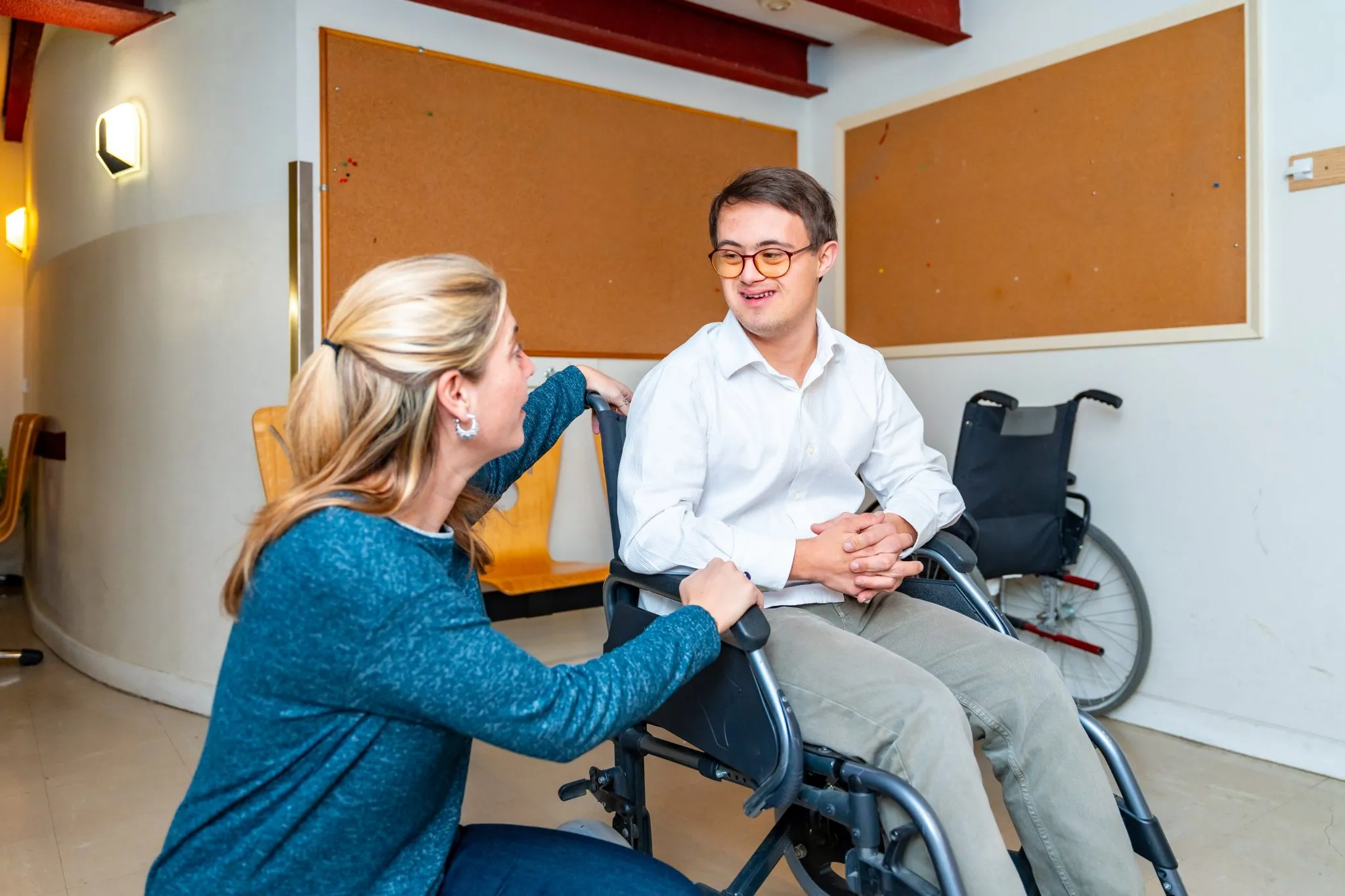

Core supports
The day-to-day help that gets the week done. The most flexible budget in your plan.
- Assistance with daily life
- Social and community participation
- Consumables
- Transport
Flexible across most categories
Three budgets, one plan, and a lot of jargon. This page explains what each part of your plan pays for, who can spend it, and what to do when the money does not match the support you need.
Standard to complex
All three types

Registered NDIS Provider
What it covers
The test the NDIA applies is whether a support is reasonable and necessary, related to your disability, and not the responsibility of another system like health or housing.
Paid another way
These are everyday costs every Australian carries, so the NDIS will not fund them — even inside a supported home.
The three budgets
The day-to-day help that gets the week done. The most flexible budget in your plan.
Flexible across most categories
Supports that build a skill or set something up, funded per category and not transferable.
Fixed per category
Equipment, technology and home changes. Quoted, approved, then paid against the quote.
Quote required before spending
Call your plan manager first to confirm the balance, then request a plan reassessment through the NDIA on the grounds of changed circumstances. We can supply usage records and a revised roster of care to support the request. In the meantime we will work with you on a reduced roster rather than stopping support.
Free plan check
No obligation, no sales call. A care manager reads the plan, marks the lines we can deliver against, and flags anything that looks underfunded.

A participant-first NDIS provider serving Victoria and New South Wales, registered across 9+ service categories.

Guides, answers and forms to help you get started and get the most from your plan.

NDIS-approved disability support designed around your goals, preferences and daily life.


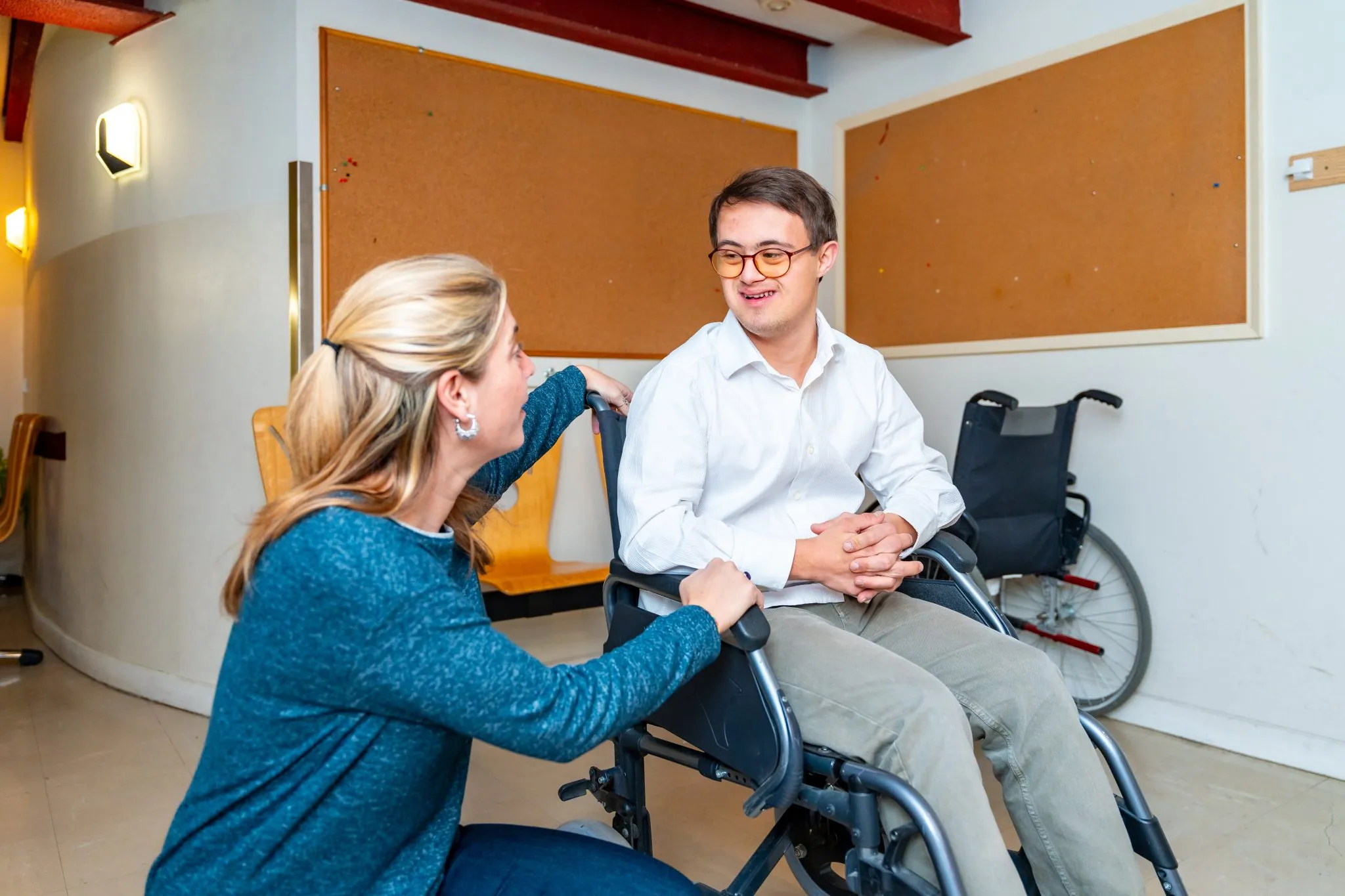
Safe and supportive housing that helps you live independently, with practical assistance for daily living and meaningful community connection.
Support close to home across Victoria and New South Wales, available 24 hours a day.